6 February 2026 · 3 min · Stian Andreassen
AI image generation in practice: lessons from real productions

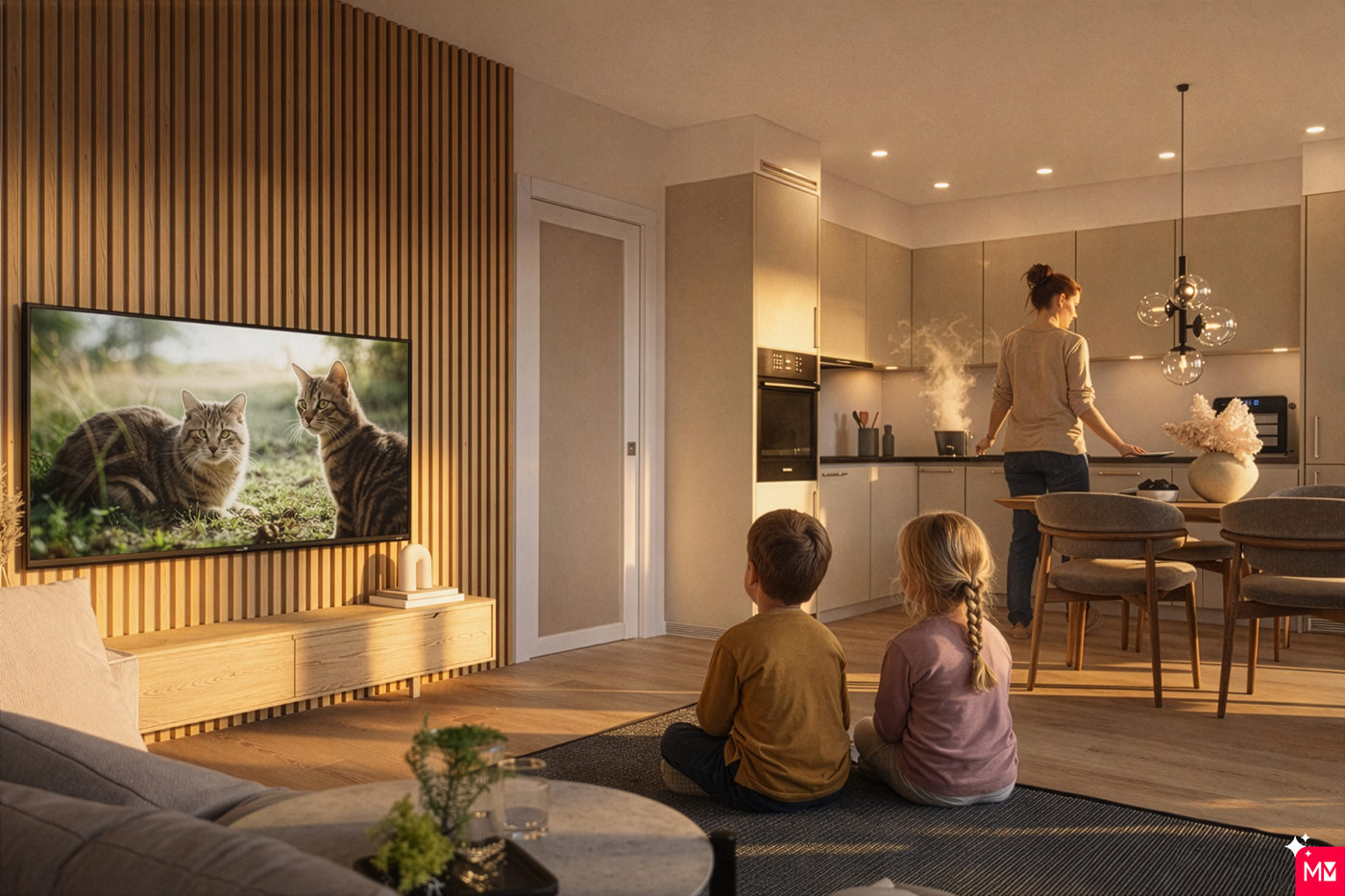
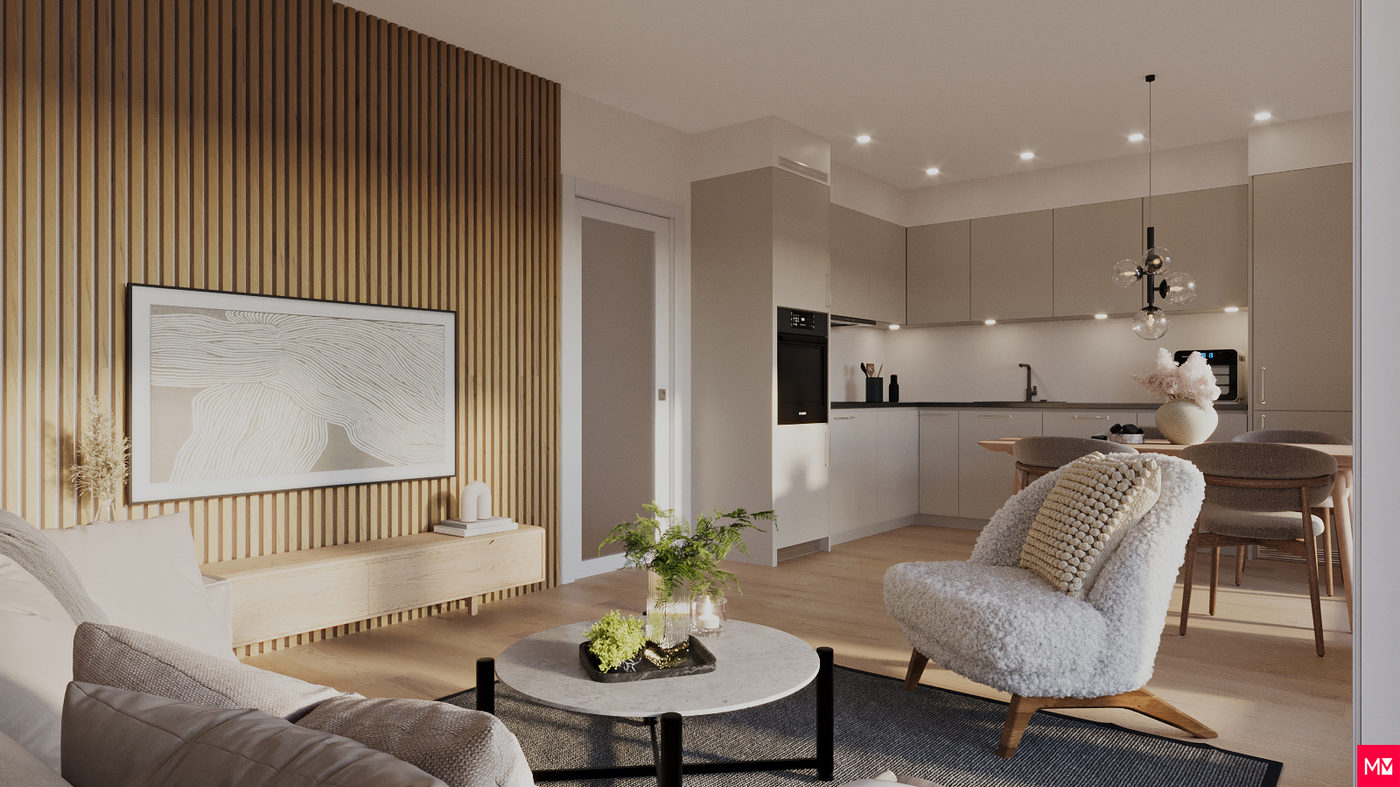
Over the past few months, AI-based image generation has gone from being experimental to becoming a real production tool for us at Maestro Media. While a great deal is possible, it still isn't a replacement for photography and 3D, but rather a layer on top of existing deliverables. We can cut time on the 3D production itself, and on top of that create very strong results with AI from there.
In this article I share concrete observations related to:
- changing the season in photos
- generating variants of interior scenes
- changing camera angles and framing
- adding mood to existing 3D illustrations
- and not least, rights and licensing
All based on actual use in content production for marketing new-build housing projects.
Shit in, shit out still applies
This is perhaps the most important insight.
In our experience, AI is far better at amplifying strong starting points than at improving weak ones. The quality of:
- photography
- lighting
- composition
- 3D geometry
- material work
determines the final result.
Bad input gives bad output. Every time.
A strong original production, on the other hand, yields an enormous range of usable variants. That is where the real value lies.
Season swaps and interior variants: what works best?
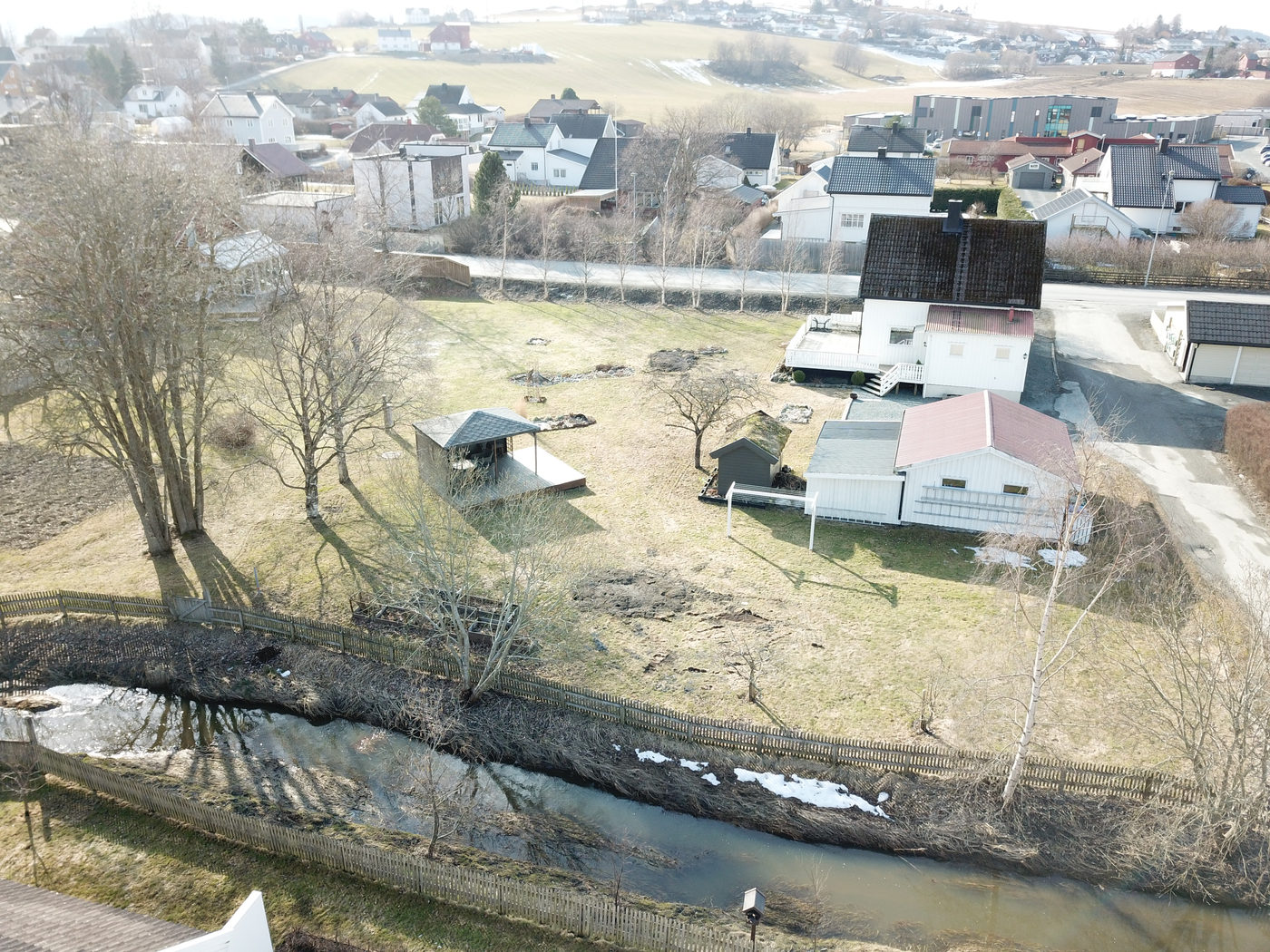
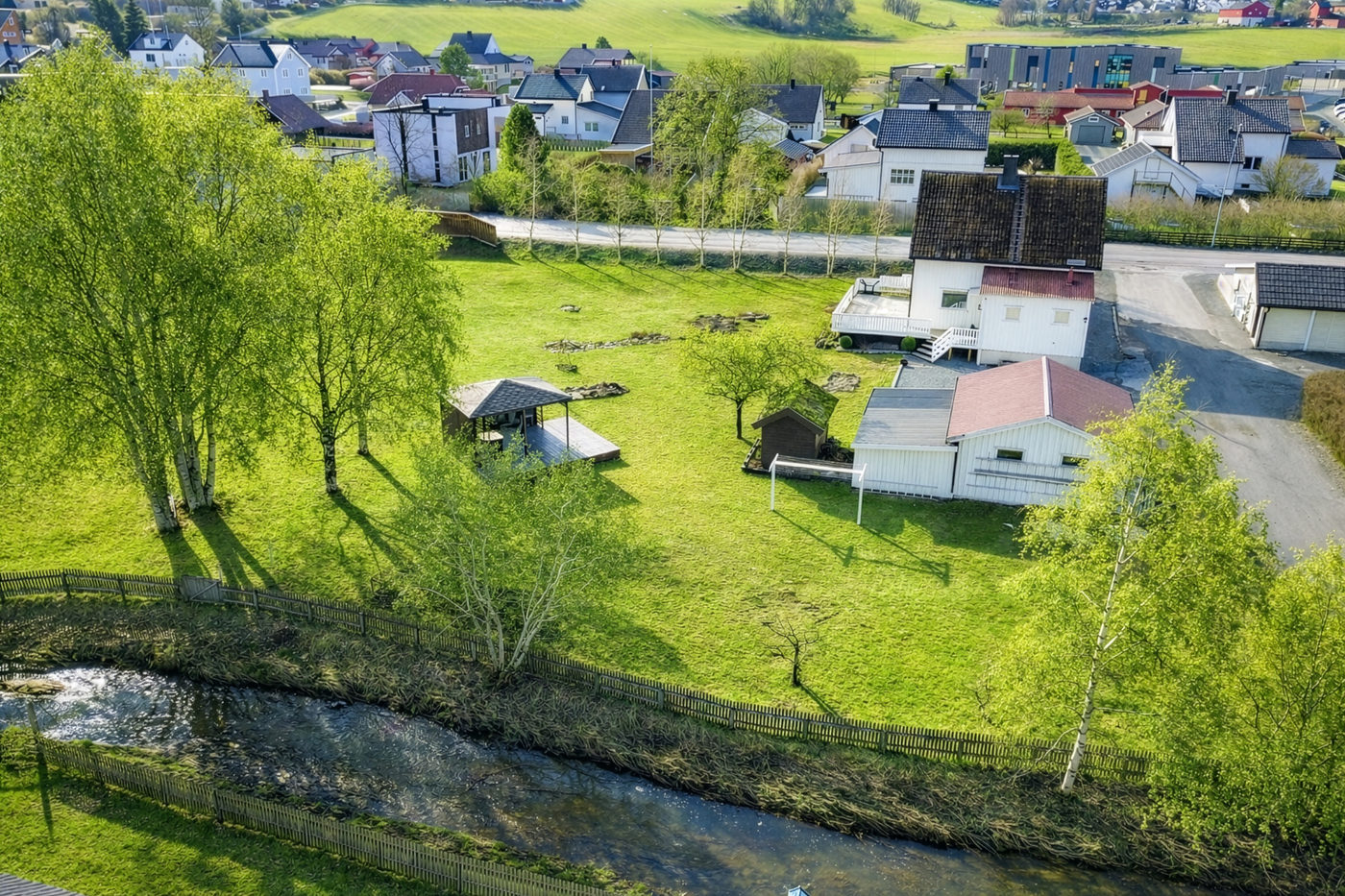
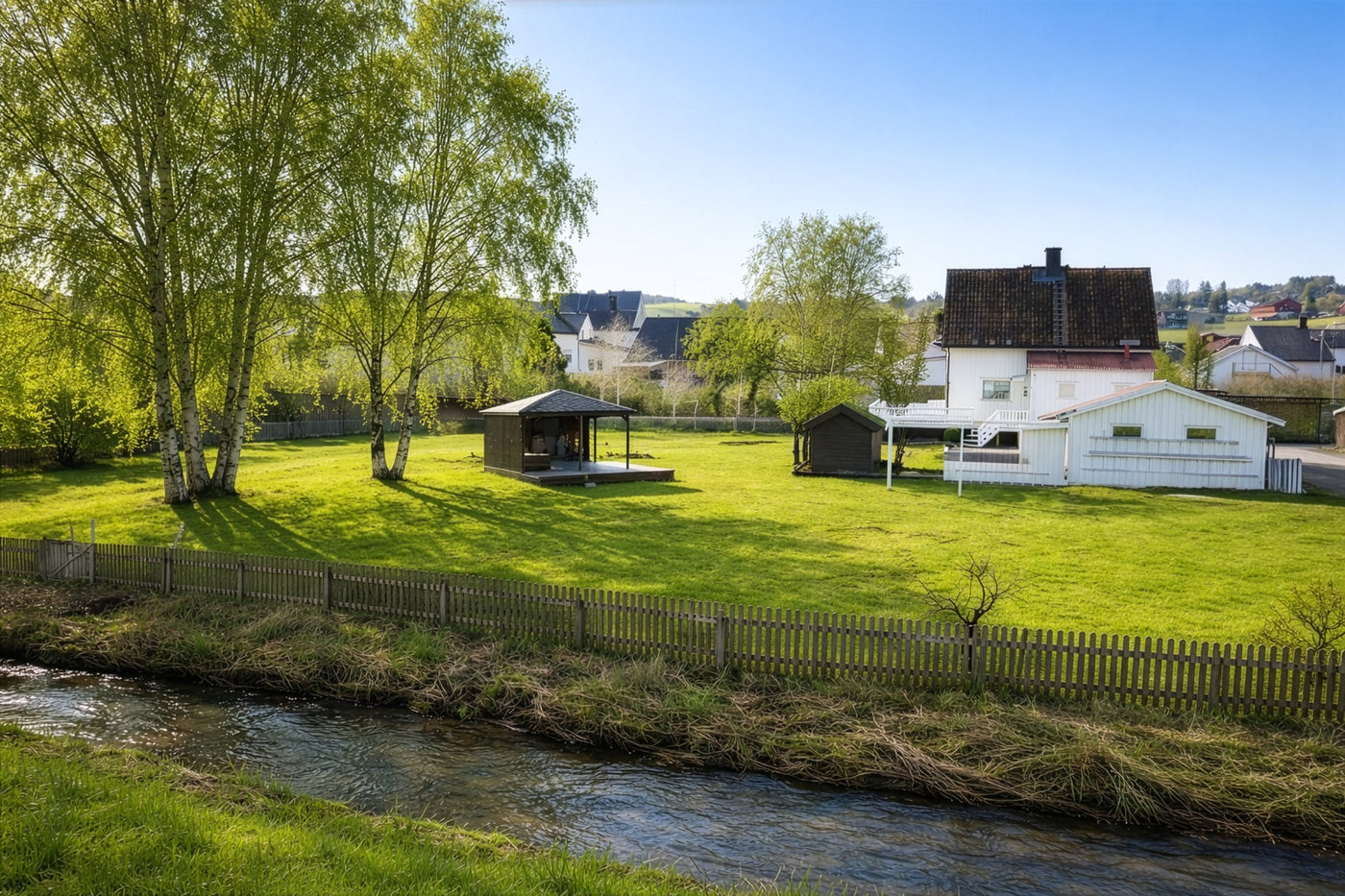
The first image shows the drone photo we receive from the client to composite 3D renders into (the site), ready for post-production. The next image shows it processed through a standardized prompt we have built for the purpose. The last image shows an AI-generated alternative angle that gives us the starting point for the selling 3D scene, which doesn't need to communicate the surrounding location.
In practice, we see that AI works very well for:
- changing the season in existing photos (winter to summer, autumn to spring)
- variations in furnishing, colors and materiality in interiors
- adjusting light, time of day and mood
- tailoring the expression to different target audiences
- adjusted camera angles
What doesn't work well is trying to "rescue" images that were never good enough to begin with. Sometimes it goes well, other times you end up in an AI maelstrom. A lottery, in other words. For now, at least.
In this context, AI is a tool for further development.
GPT5.2 and Gemini3/NanoBananaPro complement each other
We use several tools in parallel. It started out experimentally, but is now entirely deliberate.
- GPT is strong on structure, precise instructions and control
- NanoBanana often delivers more visual creativity and unexpected, but usable, results
- The same prompt often produces different expressions
The results vary, but the sum of the tools gives far better control than using any one of them alone.
This isn't about which tool is "best," but about how they are used together.
Firefly gives us the finish we're after
When we add Firefly on top in the final phase, we see a clear pattern:
- more consistent quality
- a more predictable expression
- crisper output and higher resolution
- better commercial finish
Time and again, it's Firefly that ensures the result is actually market-ready, not just visually interesting.
Rights and licensing are critically important

We believe this is a point the industry underestimates. AI generation builds on existing productions. If you don't have:
- ownership of your own deliverables
- the right to further editing
- the right to generate alternative expressions
then you lock yourself out of further value creation.
The consequences are serious:
- you can lose the right to develop your own images further
- you can become dependent on new production every time
- you reduce the lifespan and value of your own material
Without clear agreements and licensing terms, we are in practice undermining ourselves.
In summary

In our work, we see that AI presupposes solid visual craftsmanship rather than replacing it.
Those who succeed going forward are the ones who:
- produce solid original photography and 3D
- understand the limitations of AI
- combine several tools deliberately
- take ownership of rights and further use
The rest will produce more variants faster, but most likely without added value.
Frequently asked questions
Can AI change the season in existing images? Yes, very effectively, provided the original image is of good quality and the prompt discipline is solid enough.
Can AI create several interior variants of the same room? Yes. This is one of the areas with the greatest practical value in housing projects.
Is AI enough on its own, without photography and 3D? No. AI works best as a supplement to professional source material.
Who owns AI-generated variants of existing images? That depends on licensing and rights agreements. This must be clarified explicitly.